Structural screws vs. wood screws: what actually holds a loaded shelf
Updated 2026-09-26
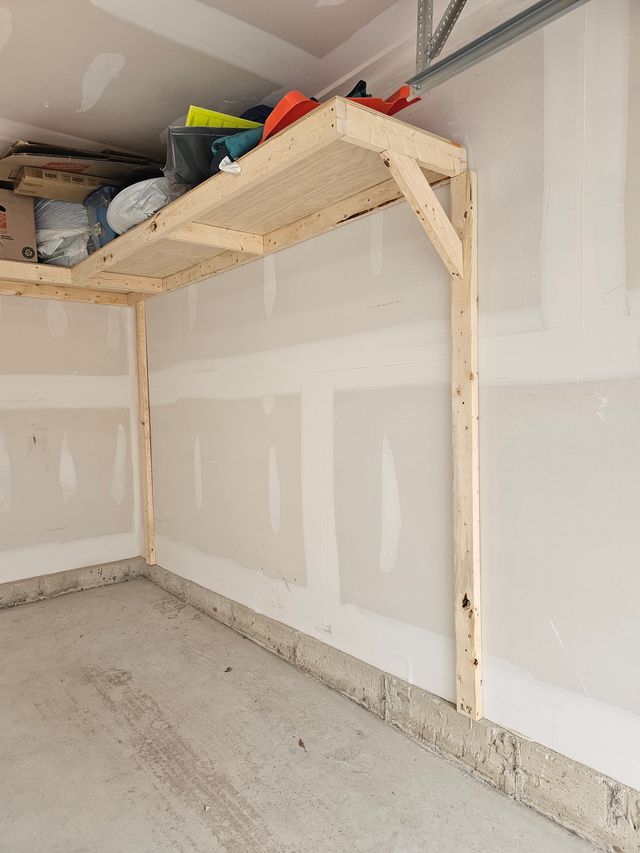
A structural screw is manufactured and tested to a published load rating — the maker states, on an engineering data sheet, what it holds in shear and pull-out. A general-purpose wood or deck screw has no published rating at all. When a shelf carries winter tires over your car, that difference is the whole game.
Two screws that look almost the same
Put a deck screw and a structural screw side by side and most people can’t tell you which is which. Same length, similar coating, both drive with an impact driver. The difference is invisible until you read the box — or until one of them is asked to hold something heavy for ten years.
A deck or general-purpose wood screw is made to fasten boards to each other: trim, fence pickets, deck boards onto joists. The load in those jobs mostly presses the boards together. Nobody publishes numbers for what it holds hanging sideways out of a stud, because it was never designed to be the thing standing between a loaded platform and the floor.
A structural screw — the modern replacement for the lag bolt — is a different product category. It’s made from hardened steel to controlled specifications, and the manufacturer tests it and publishes the results: shear strength, pull-out (withdrawal) values in different woods, allowable loads with safety factors. There’s an evaluation report you can look up. When an engineer specs a ledger connection — the same connection that keeps a deck attached to a house — this is the class of fastener the code conversation is about.
Where each one lives in my builds
The connection that matters most in garage shelving is the ledger to the studs — the board that carries the shelf along the wall. Mine goes in with GRK RSS 5/16" x 4" structural screws, into every stud. The frame itself goes together with GRK R4 #10 x 3-1/8" structural framing screws, and post-to-beam connections get 3/8" carriage bolts.
The manufacturer publishes the ratings for these in their engineering sheets.What you won’t find anywhere in the load path of my builds is a bare deck screw doing a structural screw’s job. Deck screws are fine screws — I just use them where deck screws belong, not where the weight is.
“It held when I tested it”
The usual argument for cheaping out on fasteners is that a shelf full of bins held fine when it went up. Sure — almost anything holds on day one. Fasteners fail over time: wood shrinks as it dries, loads cycle on and off every season, and an under-spec’d screw works loose or fatigues at the threads. A published rating with a safety factor is the manufacturer saying this will still be holding years from now at loads far above what you’ll put on it. No rating means nobody is saying that.
You’ll never see the screws once the shelving is loaded. Which is exactly why I put them in writing on this site — it’s the part of the build you’d never know to ask about.
What to ask anyone building your shelving
Whoever builds it — me or not — ask one question: “What’s the ledger fastened with, and does it have a published rating?” A real answer names a product. If the answer is “good screws, don’t worry,” worry.
Text me a photo of your garage at 647-933-8110 and I’ll quote your build free — fasteners included, named, in writing.